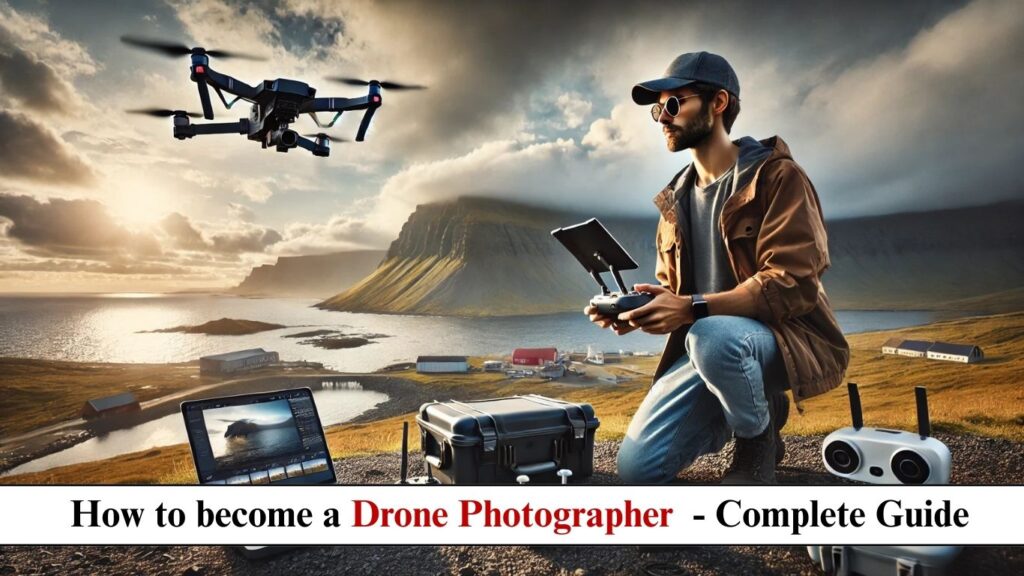
Introduction
Drone photography has revolutionized the way we capture images and videos from the sky. From breathtaking landscapes to real estate marketing, drones have opened up endless creative and professional opportunities. If you’re fascinated by aerial photography and considering a career as a drone photographer, this comprehensive guide covers everything you need to know—history, salary expectations, roles and responsibilities, qualifications, how to get started, and future scope.
History of Drone Photography
Drones, also known as Unmanned Aerial Vehicles (UAVs), were initially developed for military purposes. However, advancements in technology made them accessible for civilian and commercial use.
Key Milestones in Drone Photography:
- Early 2000s: Drones were primarily used by the military for surveillance.
- 2010s: Consumer drones like the DJI Phantom series made aerial photography affordable.
- 2016: FAA (Federal Aviation Administration) introduced Part 107 rules in the U.S., regulating commercial drone use.
- 2020s: AI-powered drones with obstacle avoidance and automated flight modes became mainstream.
Today, drone photography is widely used in real estate, filmmaking, agriculture, and even disaster management.
Salary of a Drone Photographer
Drone photography can be a lucrative career, depending on experience, location, and industry.
Average Salary Ranges:
- Entry-Level: $30,000 – $50,000 per year
- Mid-Level: $50,000 – $80,000 per year
- Experienced Professionals: $80,000 – $120,000+ per year
Factors Affecting Earnings:
- Industry: Real estate and filmmaking pay more than event photography.
- Location: Urban areas with high demand offer better pay.
- Freelance vs. Full-time: Freelancers may earn more per project but lack stability.
Roles and Responsibilities of a Drone Photographer
A drone photographer does more than just fly drones. Their responsibilities include:
1. Pre-Flight Planning
- Checking weather conditions
- Securing necessary permits
- Planning flight paths for optimal shots
2. Drone Operation & Safety
- Ensuring FAA (or local aviation authority) compliance
- Maintaining drone equipment
- Avoiding no-fly zones (airports, government buildings)
3. Photography & Videography
- Capturing high-quality images/videos
- Editing using software like Adobe Premiere Pro or Lightroom
- Delivering final products to clients
4. Client Communication
- Understanding client requirements
- Providing portfolio samples
- Negotiating contracts and pricing
5. Marketing & Business Development
- Building an online presence (website, social media)
- Networking with real estate agents, filmmakers, and advertisers
Qualifications Needed to Become a Drone Photographer
While formal education isn’t always required, certain skills and certifications are essential.
1. FAA Part 107 Certification (U.S.)
- Mandatory for commercial drone pilots in the U.S.
- Requires passing a knowledge test on airspace rules, weather, and safety
2. Equivalent Certifications in Other Countries
- UK: Permission for Commercial Operations (PfCO) from CAA
- Canada: Advanced Drone Pilot Certificate
- Australia: Remote Pilot License (RePL)
3. Technical Skills
- Understanding camera settings (ISO, shutter speed, aperture)
- Proficiency in photo/video editing software
- Knowledge of drone maintenance
4. Soft Skills
- Creativity in framing shots
- Problem-solving for unexpected flight issues
- Customer service for client interactions
How to Get Started as a Drone Photographer
Step 1: Get the Right Equipment
- Beginner Drone: DJI Mini 3 Pro (affordable, high-quality)
- Professional Drone: DJI Mavic 3 or Inspire 3 (advanced features)
- Accessories: Extra batteries, ND filters, memory cards
Step 2: Obtain Necessary Certifications
- Study for and pass the FAA Part 107 exam (or equivalent in your country).
Step 3: Practice Flying & Shooting
- Start in open areas away from people.
- Experiment with different angles and lighting conditions.
Step 4: Build a Portfolio
- Capture diverse shots (landscapes, urban, real estate).
- Create a website or Instagram page to showcase work.
Step 5: Find Clients
- Offer free shoots to local businesses for portfolio building.
- Join freelance platforms like Upwork, Fiverr, or DroneBase.
Step 6: Market Your Services
- Use SEO-optimized website content (e.g., “Best Drone Photographer in [Your City]”).
- Network with real estate agents, wedding planners, and filmmakers.
Future Scope of Drone Photography
The drone industry is booming, with exciting advancements on the horizon.
1. Emerging Industries Using Drone Photography
- Agriculture: Crop monitoring and precision farming.
- Construction: Site surveys and progress tracking.
- Search & Rescue: Locating missing persons in remote areas.
2. Technological Advancements
- AI & Automation: Drones with auto-follow and object recognition.
- Longer Battery Life: Extended flight times for better coverage.
- 3D Mapping & LiDAR: High-precision aerial mapping for industries.
3. Increasing Demand in Media & Marketing
- Social media content creators rely on drone footage for viral videos.
- Virtual tours in real estate are becoming standard.
Conclusion
Drone photography is a dynamic and rewarding career with vast opportunities. Whether you’re freelancing or working with production companies, mastering drone skills can lead to a profitable and exciting profession. By obtaining certifications, building a strong portfolio, and staying updated with industry trends, you can soar high in this field.
Ready to take off? Invest in a good drone, get certified, and start capturing the world from above!🚁📸


Post Comment