Introduction
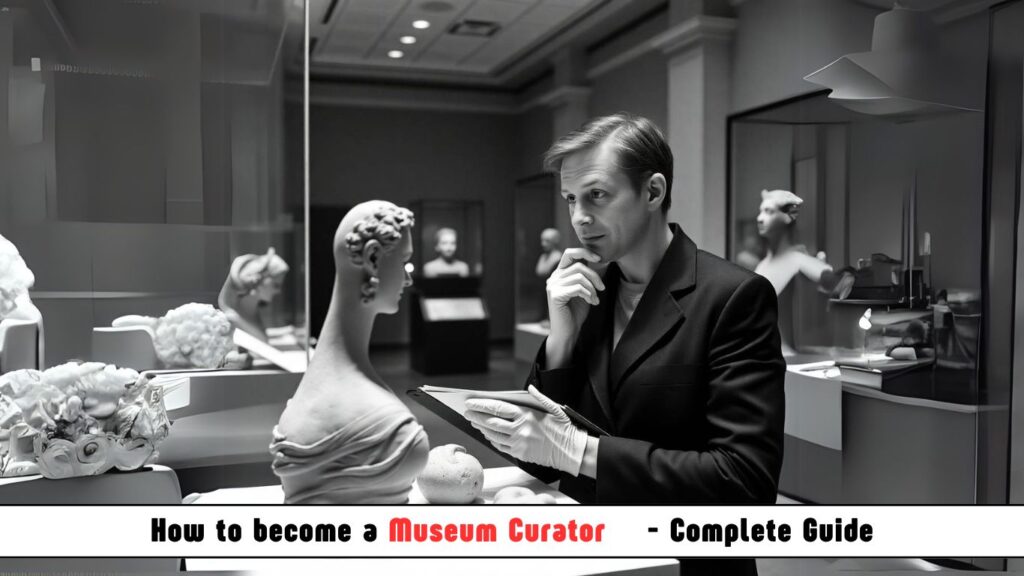
A museum curator plays a vital role in preserving and interpreting history, art, culture, and science for public education and enjoyment. These professionals work behind the scenes and in the spotlight, ensuring that exhibits are accurate, engaging, and accessible. This blog provides an in-depth look at the world of museum curatorship, including its history, roles and responsibilities, qualifications, salary expectations, how to start a career in the field, and future prospects.
A Brief History of Museum Curation
The concept of curating can be traced back to the ancient world, with collections of artifacts dating as far back as Mesopotamia and Ancient Egypt. However, modern museum curation began to take shape during the Renaissance, when private collections known as “cabinets of curiosities” emerged across Europe.
In the 17th and 18th centuries, these private collections began transitioning into public institutions. The British Museum (established in 1753) and the Louvre Museum (opened to the public in 1793) are notable examples. The professional role of a curator became formalized in the 19th century as museums expanded, requiring skilled individuals to manage and interpret growing collections.
Today, curators not only oversee collections but also engage in research, education, conservation, and public outreach, often utilizing digital technologies to enhance visitor experiences.
Roles and Responsibilities
Museum curators wear many hats. Their responsibilities can vary depending on the size and focus of the museum, but typically include:
- Collection Management: Acquiring, cataloging, and conserving artifacts or artworks.
- Exhibition Design: Planning and organizing exhibitions, including layout, lighting, text panels, and digital media.
- Research: Conducting scholarly research related to the museum’s collection and publishing findings.
- Education and Outreach: Developing educational materials, leading tours, and collaborating with schools and community groups.
- Fundraising and Grant Writing: Securing funding for exhibitions, acquisitions, and special projects.
- Collaboration: Working with conservators, designers, educators, and marketing teams to create holistic visitor experiences.
Qualifications and Skills Required
Becoming a museum curator typically requires a combination of academic qualifications, experience, and personal attributes.
Academic Background
- Bachelor’s Degree: Most curators start with a bachelor’s degree in art history, history, archaeology, anthropology, or a related field.
- Master’s Degree: A master’s is often essential, especially for larger institutions. Fields such as Museum Studies, Art History, and Conservation are common.
- Ph.D.: In academic or research-intensive roles, a doctoral degree may be required.
Essential Skills
- Attention to Detail: Precise documentation and care for artifacts.
- Research Skills: Ability to conduct in-depth research and analysis.
- Communication: Strong writing and public speaking skills for education and outreach.
- Project Management: Organizing exhibitions and managing timelines.
- Technology Savvy: Familiarity with database management and digital exhibit tools.
How to Get Started
Breaking into the museum field can be competitive, but a well-planned path can open many doors.
Step 1: Education
Begin with a relevant bachelor’s degree. Pursue internships during your studies to gain practical experience.
Step 2: Specialization
Focus on a specific area of interest—be it ancient history, modern art, natural sciences, or something else.
Step 3: Internships and Volunteering
Hands-on experience is crucial. Apply for internships at local museums or historical societies to build your resume.
Step 4: Advanced Education
Pursue a master’s degree or higher in a specialized field. Consider programs that offer museum studies and curatorial training.
Step 5: Entry-Level Positions
Look for jobs such as curatorial assistant, collections manager, or museum educator. These provide exposure to curatorial work.
Step 6: Professional Development
Attend workshops, seminars, and conferences. Join professional organizations like the American Alliance of Museums (AAM) or International Council of Museums (ICOM).
Salary Expectations
Salaries for museum curators vary widely based on location, institution size, and experience.
- Entry-Level: $35,000 to $50,000 annually
- Mid-Level: $50,000 to $70,000 annually
- Senior-Level: $70,000 to $100,000 or more
- High-Profile Institutions: Top curators can earn well over $100,000
Additional benefits may include health insurance, retirement plans, professional development funds, and paid travel for research.
Future Scope and Trends
The role of museum curators is evolving rapidly, shaped by technology, social trends, and changing visitor expectations.
Digital Integration
Virtual exhibits, 3D scanning, and augmented reality are becoming part of the curatorial toolkit. Digital literacy is increasingly important.
Community Engagement
Modern curators must engage diverse audiences and reflect inclusive narratives in their exhibitions.
Sustainability
Green practices in exhibit design and operations are becoming standard.
Interdisciplinary Collaboration
Curators now often work with scientists, artists, and technologists to create dynamic, multi-sensory experiences.
Global Opportunities
As cultural exchange increases, curators may work on international collaborations, exhibitions, and research initiatives.
Challenges in the Field
- Funding Constraints: Many museums operate on limited budgets.
- Job Competition: The field is highly competitive, particularly for prestigious roles.
- Workload: Curators often juggle multiple projects and deadlines.
Despite these challenges, the profession remains deeply rewarding for those passionate about culture, education, and history.
Conclusion
Becoming a museum curator is a meaningful career for those who are intellectually curious, detail-oriented, and passionate about preserving and interpreting the past for future generations. With the right combination of education, experience, and dedication, aspiring curators can find their place in museums around the world, helping to shape the narratives that inform and inspire society.
Whether you’re just starting your academic journey or considering a career shift, the field of museum curation offers diverse paths, ongoing learning, and the opportunity to make a lasting cultural impact.


Post Comment